The All-Purpose Kit Bag Is a Myth
An all-purpose kit bag sounds convenient. Sort your gear by sport, moisture and access needs to choose one bag—or a small rotation—that works.
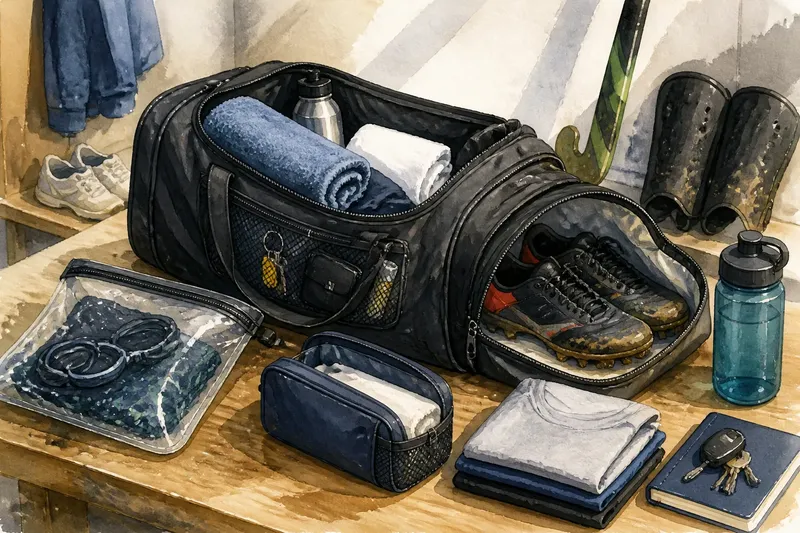
An all-purpose kit bag sounds convenient until wet swimwear shares a compartment with clean socks, or a pair of muddy cleats meets a laptop. Choosing a kit bag is less about finding one bag that fits every sport than deciding which items can travel together, and which need separation.
The useful question is not whether one bag can hold everything. It is whether its compartments, materials and access suit what you carry on a particular day. A week of ordinary sports can reveal the answer without turning bag shopping into an equipment hobby.
Start with a week of actual kit
Before browsing duffels, backpacks or sport-specific bags, use a note on your phone to record what you carry for each session. Include the awkward items: wet towel, shoes, water bottle, protective gear, spare clothes, paperwork or a lunch container. Note which items are damp, dirty, fragile or needed before the others.
Do this for a normal week, not an imagined week in which every sport, weather condition and emergency appears at once. The point is to see the combinations that recur. A tennis session followed by a commute may ask for a different arrangement from a pool visit, even if both involve a change of clothes.
Say you attend a pool session on Tuesday and play field hockey on Thursday. You carry a towel and wet swimsuit on Tuesday, then cleats and muddy shin guards on Thursday. If the same large compartment would hold both sets of gear, the practical issue is separation and cleanup, not whether the bag is marketed as universal. A removable wet bag for the swimsuit and a washable shoe compartment for the cleats may make one bag workable; if access or cleaning remains awkward, two bags may be simpler.
Sort items by what they need from the bag
Make four groups from your notes. These are not categories printed on a manufacturer’s hangtag; they are the handling conditions your equipment brings with it.
- Clean and dry: spare clothes, a book or personal items that should stay away from damp gear.
- Wet: swimsuits, towels and waterlogged outer layers that need a washable or water-resistant barrier.
- Dirty or abrasive: cleats, court shoes and equipment that may carry grit or scuff fabric.
- Quick access: keys, a pass, a bottle or protective items you need to reach without unpacking everything.
One object can belong to more than one group. A pair of shoes may be dry but dirty; a protective item may need to stay accessible and separate from clothes. That overlap matters more than the bag’s advertised sport. Look for a layout that keeps the groups apart without making each item hard to retrieve.
Choose the fewest bags that preserve useful separation
A single bag is reasonable when your regular sports use similar gear, or when a removable pouch and a dedicated shoe space can handle the differences. A training backpack with a ventilated shoe section might suit a gym visit and a racket session. A separate waterproof swim pouch can contain wet clothing without requiring a second full-size bag.
A small rotation makes more sense when sports produce incompatible loads. Wet aquatic kit, dirty field footwear and clean work clothes can be difficult to contain together, especially if the bag stays in a car or office between sessions. In that case, a swim bag and a field-sport bag may be easier to air out and repack than one large duffel with a growing collection of loose plastic bags.
Keep the decision modest. You might use one everyday bag, a washable wet pouch and a separate shoe bag. Or you might keep distinct bags for pool and field sessions. More bags are not automatically better; they need a clear job and a place to live. If you cannot explain why a compartment or second bag is needed, it may just be another thing to forget.
Match the layout to your weekly routine
Use the coming week as a short planning cycle. At the start, check the session calendar and pair each sport with the items you recorded. Decide which bag arrangement fits each combination. Put the relevant pouch or shoe bag beside the main bag, rather than assuming you will remember it while leaving in a hurry.
After each session, take out wet or dirty items and leave the bag open to air in a suitable place. Return clean, reusable pouches to the spot where you keep the kit. Before the next session, check whether the separation worked: did clean clothes stay clean, did you have to empty the bag to reach a pass or bottle, and was there a sensible place for the used gear afterward?
At the end of the week, change only what caused a real nuisance. If a damp towel repeatedly ends up beside dry clothes, add or reposition a washable wet pouch. If shoes dominate the main compartment, use a dedicated shoe section or carry bag. If the bag is repeatedly too full, reconsider what actually needs to travel rather than buying a larger model by default.
What should an all-purpose kit bag include?
Is a duffel or backpack better for mixed sports?
A duffel often makes bulky equipment easier to load and inspect, while a backpack keeps hands free for commuting or carrying other items. Choose by the shape of your regular load and how you travel, not by the number of sports listed on the product page.
Do I need a separate shoe compartment?
It helps when footwear is muddy, abrasive or likely to touch clean clothing. If your shoes are usually clean and you already use a washable shoe bag, a dedicated compartment may take up space without solving a problem.
Can one bag carry wet swim gear and dry clothes?
It can if wet items have a contained, washable place and the bag can be aired after use. A sealed pouch can limit contact, but it does not make damp gear disappear; remove it after the session.
When is a second sports bag worth keeping?
Keep a second bag when recurring sports require different separation, cleaning or access arrangements. It is less useful if it duplicates the first bag and usually sits empty while you carry the same mixed load.
Check construction and care before buying
Inspect the zipper path, lining, stitching at the handles and the way a shoe compartment opens. A pocket is useful only if it fits the thing assigned to it and can be reached without spilling the main load. Ventilation panels can help air circulate, but they are not a substitute for removing wet gear and cleaning the bag when needed.
Check the care label and manufacturer’s instructions for washing, drying and material limits. Follow any relevant local rules for transporting sport equipment, particularly where a club or facility sets its own requirements.
For an all-purpose kit bag, search by the items and separation you need: a washable wet pouch, a ventilated shoe section, or a main compartment that opens wide enough for bulky gear. A sensible bag does not have to serve every sport at once. It has to make the next session easier to pack, carry and unpack, without asking a wet swimsuit and a clean shirt to share the same idea of “all-purpose.”